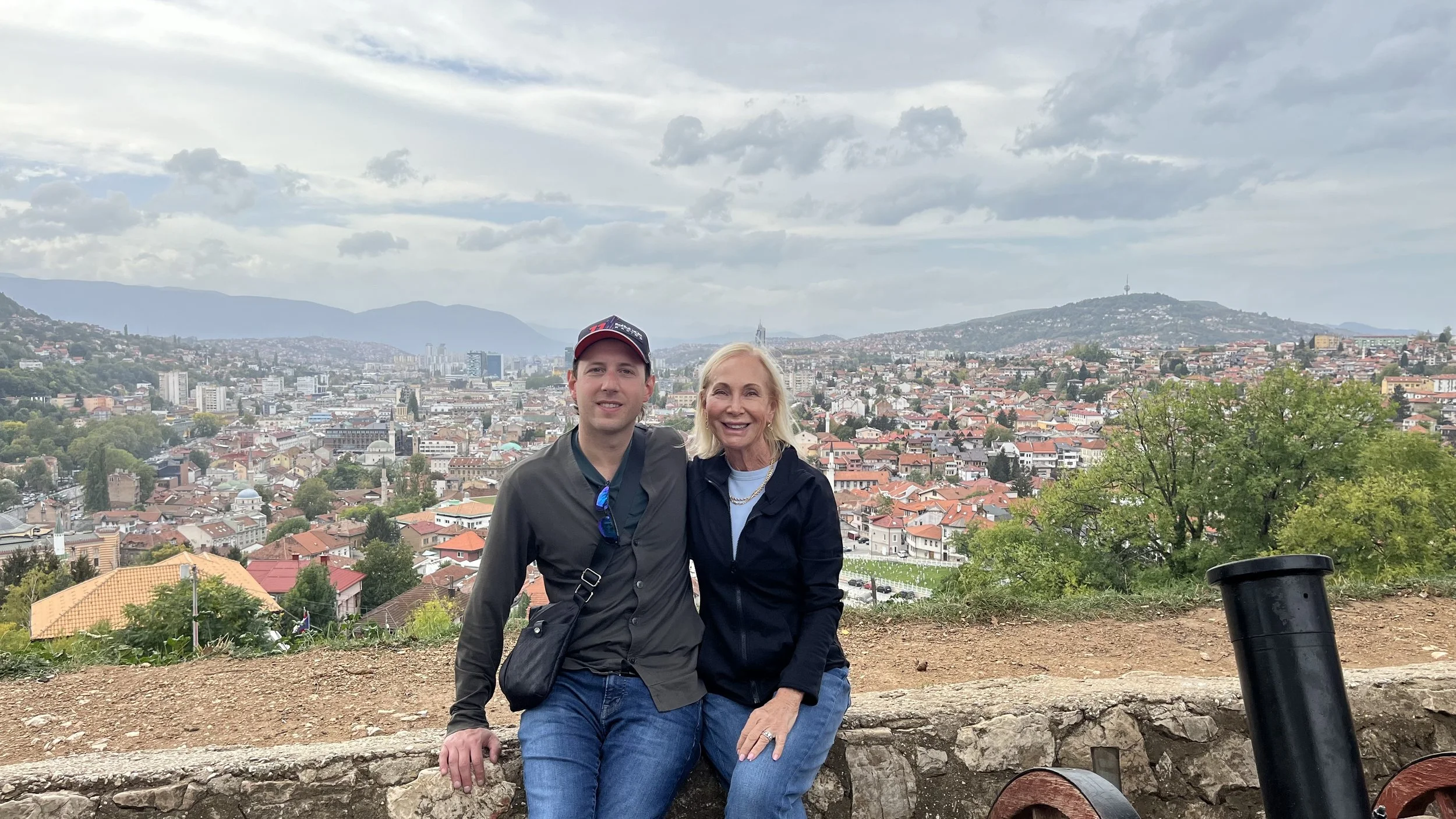
Bosnia & Herzegovina: A Journey Through History, Resilience, and Unexpected Beauty
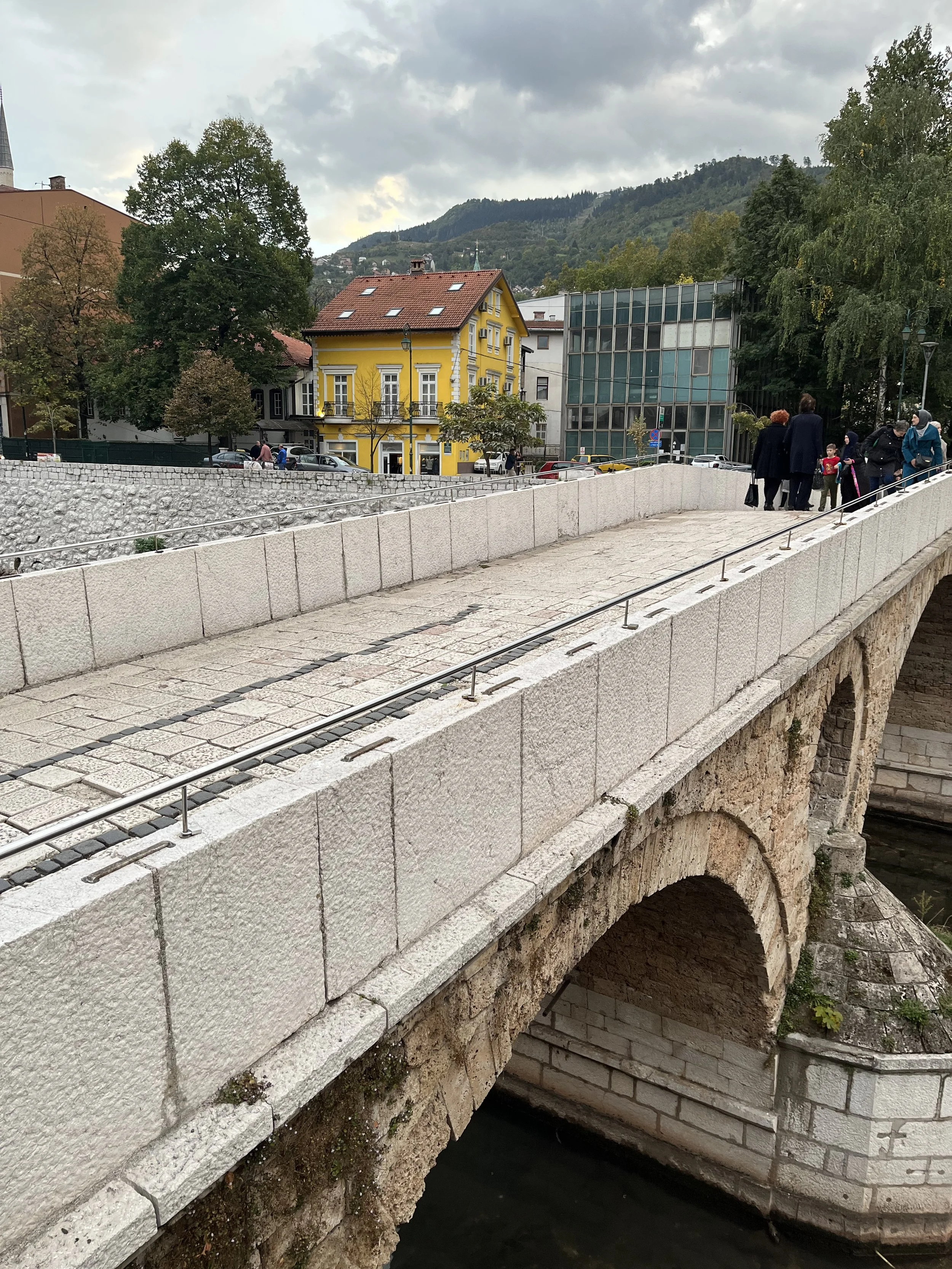
The Latin Bridge in Sarajevo look like any ordinary stone bridge over a small creek in Europe. But standing on it felt nothing like an ordinary walk. It felt very intense! Almost heavy! This unassuming spot changed the course of world history forever and I was reliving it in front of my own eyes.
On the afternoon hours of June 14, 1914, the Latin Bridge became the site of the assassination of Archduke Franz Ferdinand of the Austro-Hungarian Empire, perpetrated by Gavrilo Princip, a member a Serbian terrorist group, the Black Hand. Just metres from the bridge stands the entourage vehicle the Archduke and Duchess were transported in when Princip stood as a bystander awaiting the moment to strike his target. This event eventually ignited the Great War, now more commonly referred to as World War One.
But what else did I know about Sarajevo before visiting? Apart from hosting the 1984 Winter Olympics and being apart of Yugoslavia, little prepared me for what I experienced when my mom & I touched down in Bosnia for the first time.
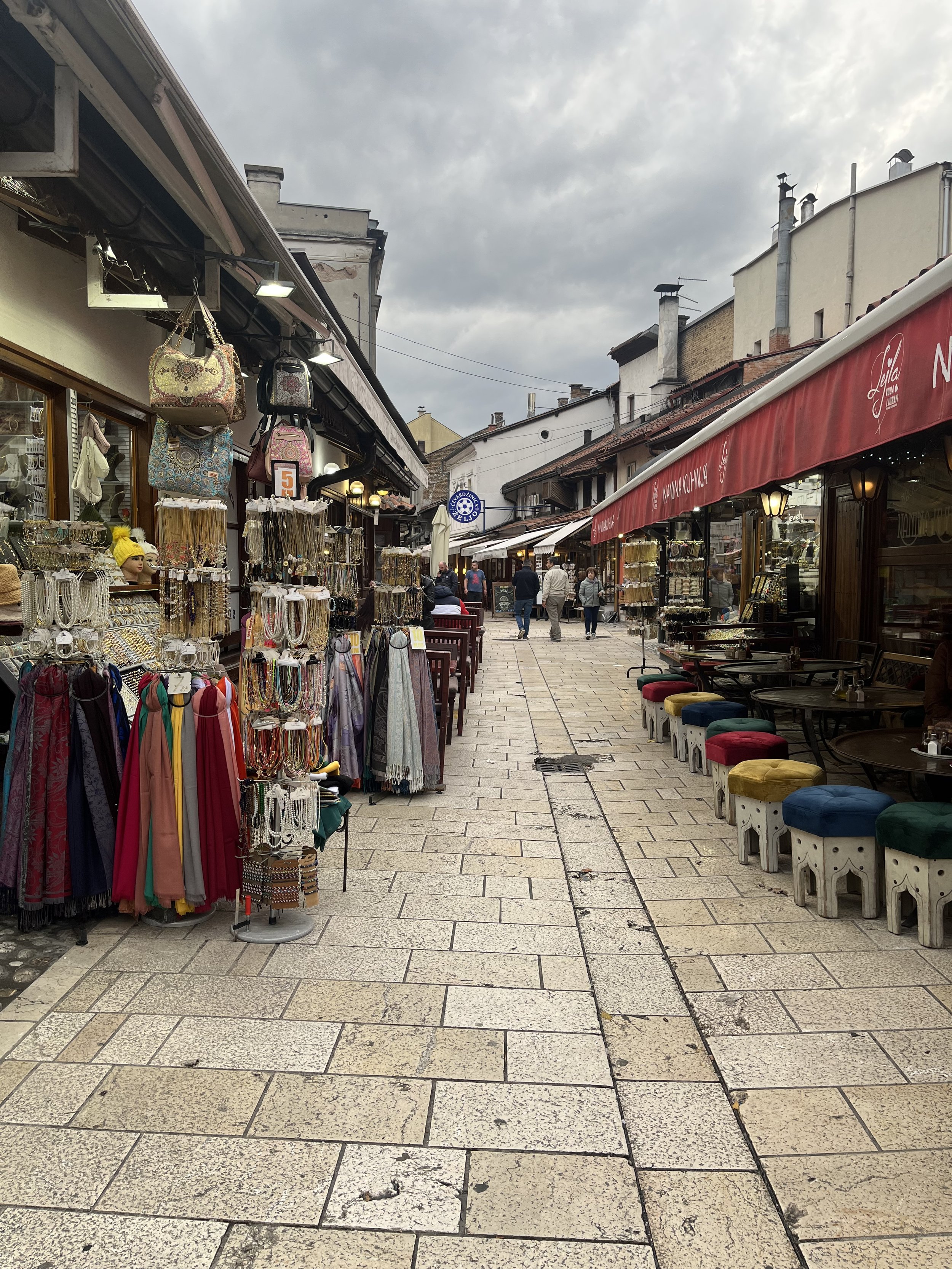
After clearing immigration, we took a taxi to our hotel by the Old Town. and set out to explore. The first thing I noticed was the large amount of Ottoman influence arched bazaars, copper-work stalls, tea houses, mosques, minarets, and winding cobblestone alleys that resembled Turkey or Azerbaijan than what most people imagine when they think of Europe. There were mosques and minarets across Sarajevo and throughout Bosnia. A Muslim country in the Balkans, Bosnia has the largest ethnic Muslim population in Europe, with over 40 percent of the Bosnian population who identify as Muslim. This blend of East and West is instantly recognizable in Sarajevo.
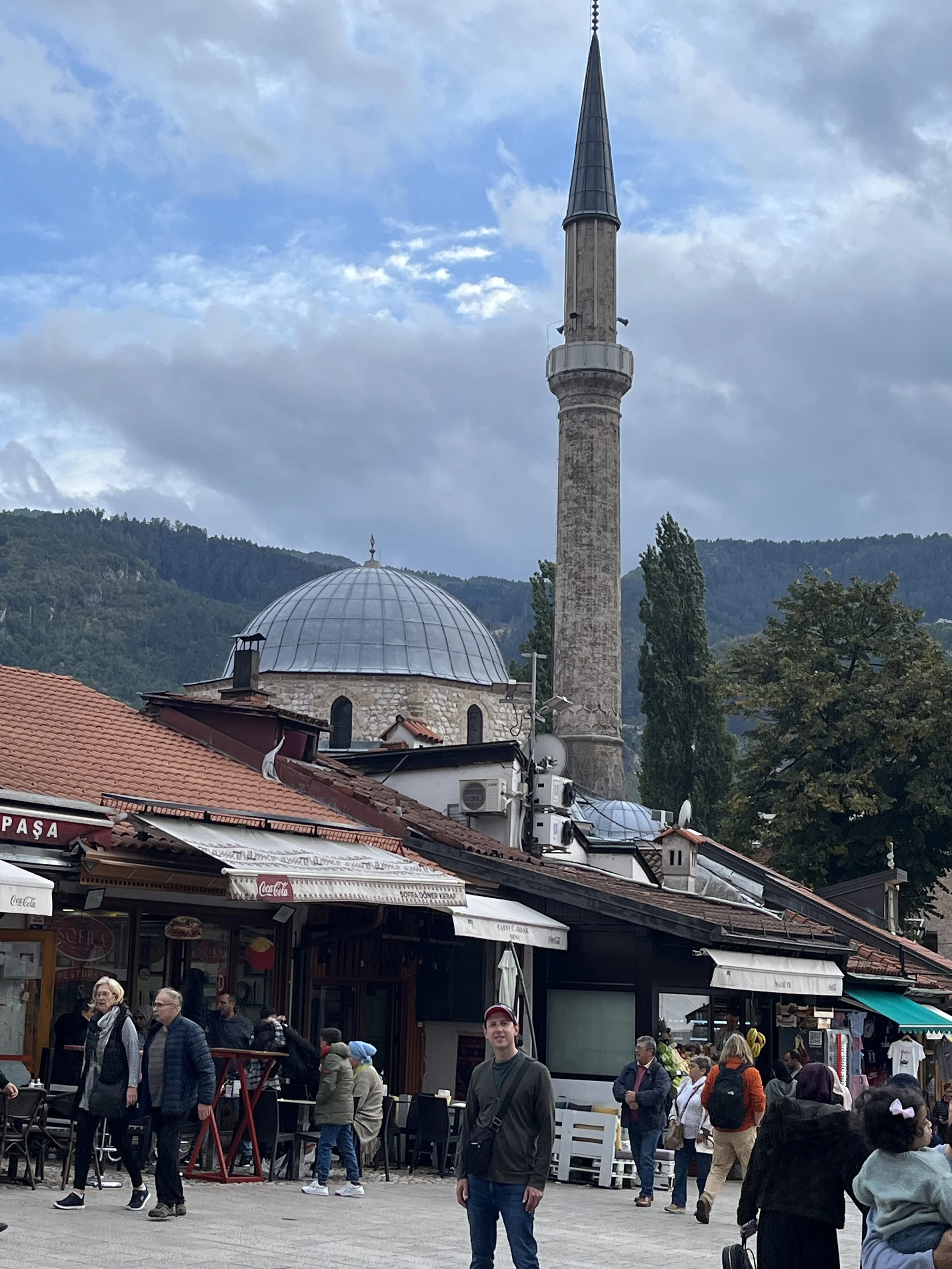
Sarajevo: Where East Meets West
My mom and I took a walk through the atmospheric streets of Baščaršija in the Old Town of Sarajevo, seeing the charm of being in the Middle East and Central Asia. Only, this was an Ottoman style city and unmistakably Balkan.
Inside a pastry shop, we met Dzejla, a lovely local woman who welcomed us with genuine warmth—something we experienced repeatedly throughout our stay. Afterwards, my mom and I witnessed a call to prayer session at Gazi Mosque in the heart of Old Town. This was a special moment as it was the first time my mom had experienced an authentic Muslim prayer. The following day, we returned to the mosque to go inside and felt a profound sense of calm.
A War Veteran’s Story
The following morning we did a four hour tour with a former Bosnian War veteran to learn more about the history of Bosnia during the Yugoslav Wars. Bosnia endured some of the worst atrocities of the 1990s Balkan conflict when 5000 Bosnian Muslims, ethnically known as Bosniaks, were massacred by the Serbian army in Srebrenica, the largest genocide in continental Europe since the Second World War.
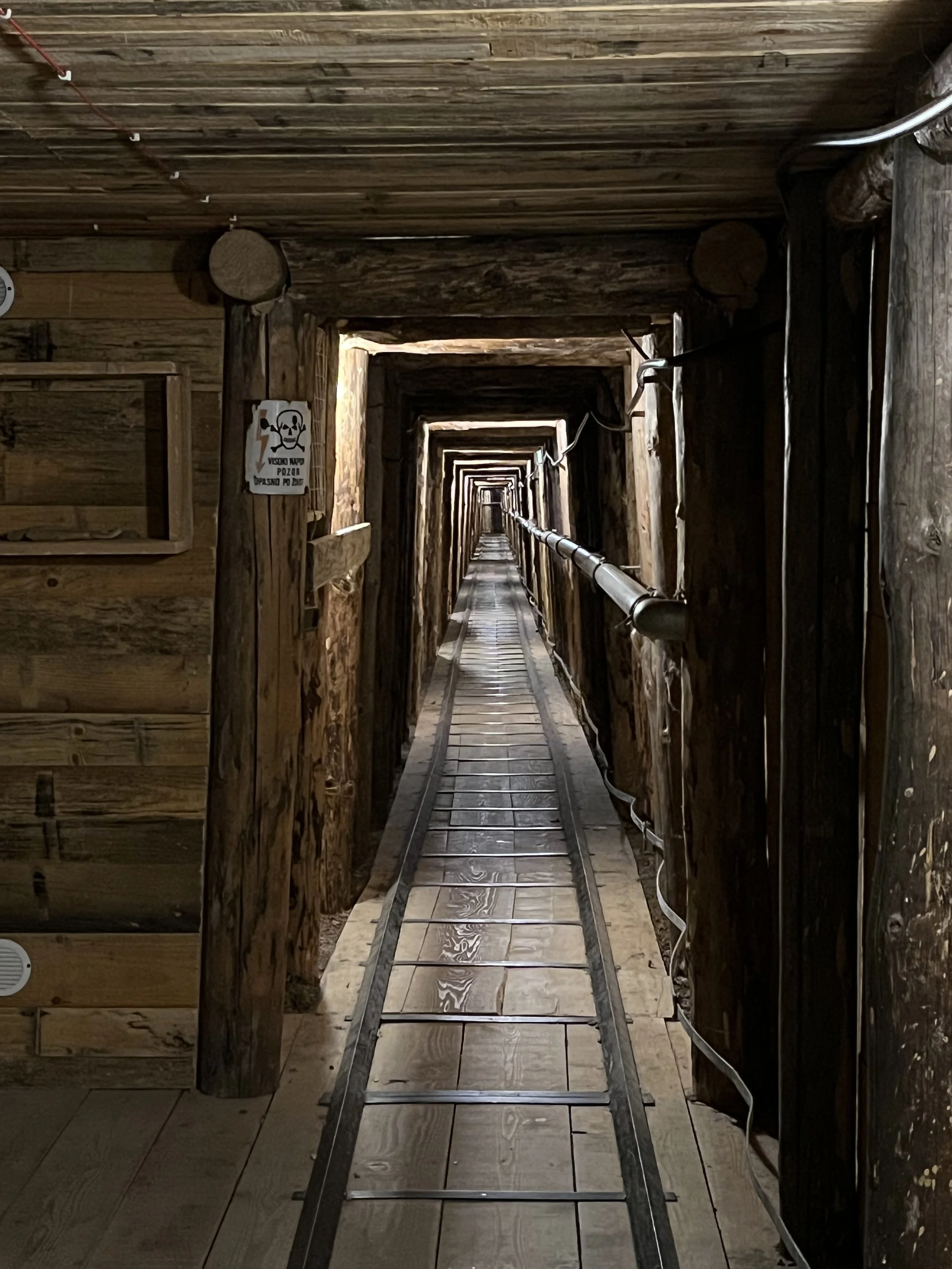
Our guide took us through the Tunnel of Hope, a supply network built under the airport to move supplies across Serbian lines during the Siege of Sarajevo. The Bosnians held their ground and eventually prevailed, turning the tide of the Bosnian War in their favour and taking back Sarajevo. Walking through the tunnel was a dark and somber experience. It offered a small glimpse into what survival looked like in Bosnia during wartime.
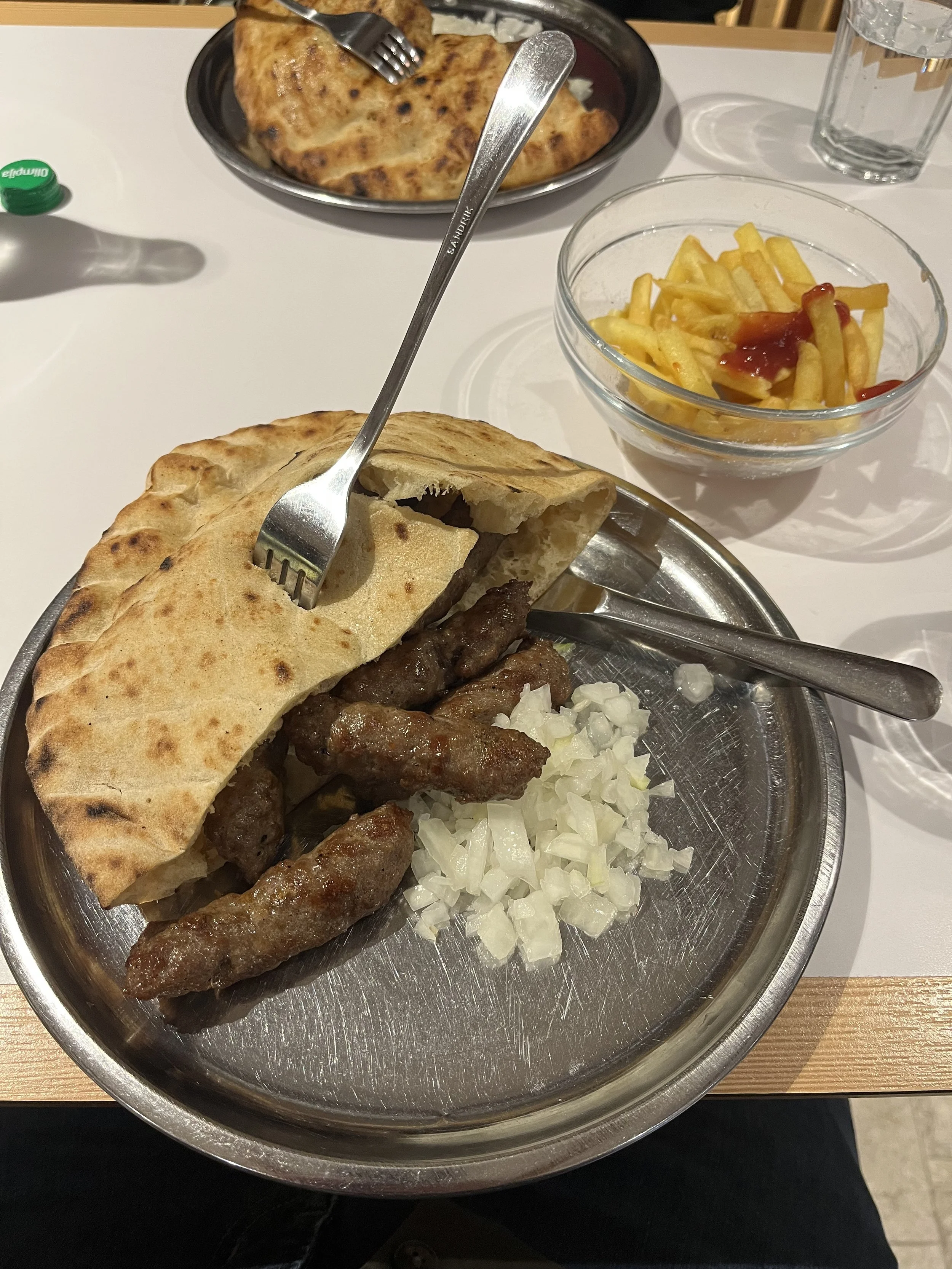
We ended the tour at the city’s hillside cemeteries—Muslim and Jewish—before taking in sweeping views of Sarajevo, a city that has suffered immensely yet continues to rise with resilience and beauty. Mom & I took in the breathtaking views before heading back to Old Town to have lunch at a Bosnian restaurant to eat some cevapi, a traditional Bosnian kebab dish.
Mostar: A Brief But Memorable Stop
The next morning, our driver from DayTrip—Andan—picked us up for the journey to Mostar. The two hour distance brought us mountain views, scenery and some fascinating stories about life in Bosnia from Andan, a local Bosnian who spoke excellent English and ensured our first experience with DayTrip was smooth and enjoyable.
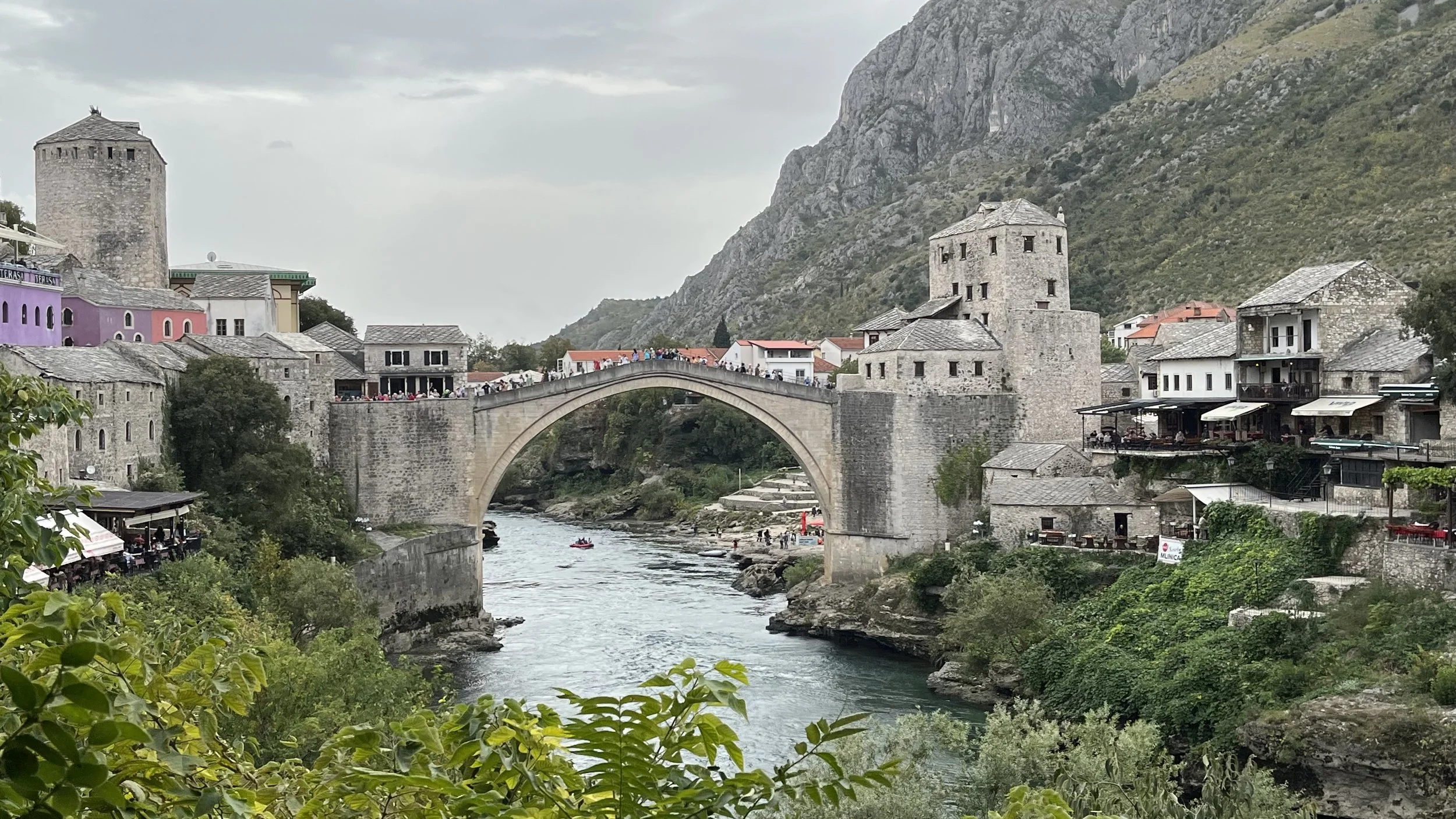
Arriving at Mostar later in the day, we checked into our hotel and set out to explore. We took a walk across the iconic Stari Most Bridge, exploring the Old Town filled with Ottoman style mosques, charm, views of the mountains, cafes, mosques, bazaar stalls, restaurants and river views. Old Town Mostar is a picturesque maze of mosques, bazaar stalls, cafés, and river views. Stari Most Bridge (or Old Bridge Mostar) is an iconic landmark situated above the Neretva River. We went for lunch at the most well-known restaurant in Mostar, the Urban Taste of the Orient, where I tasted traditional Bosnian veal stew.
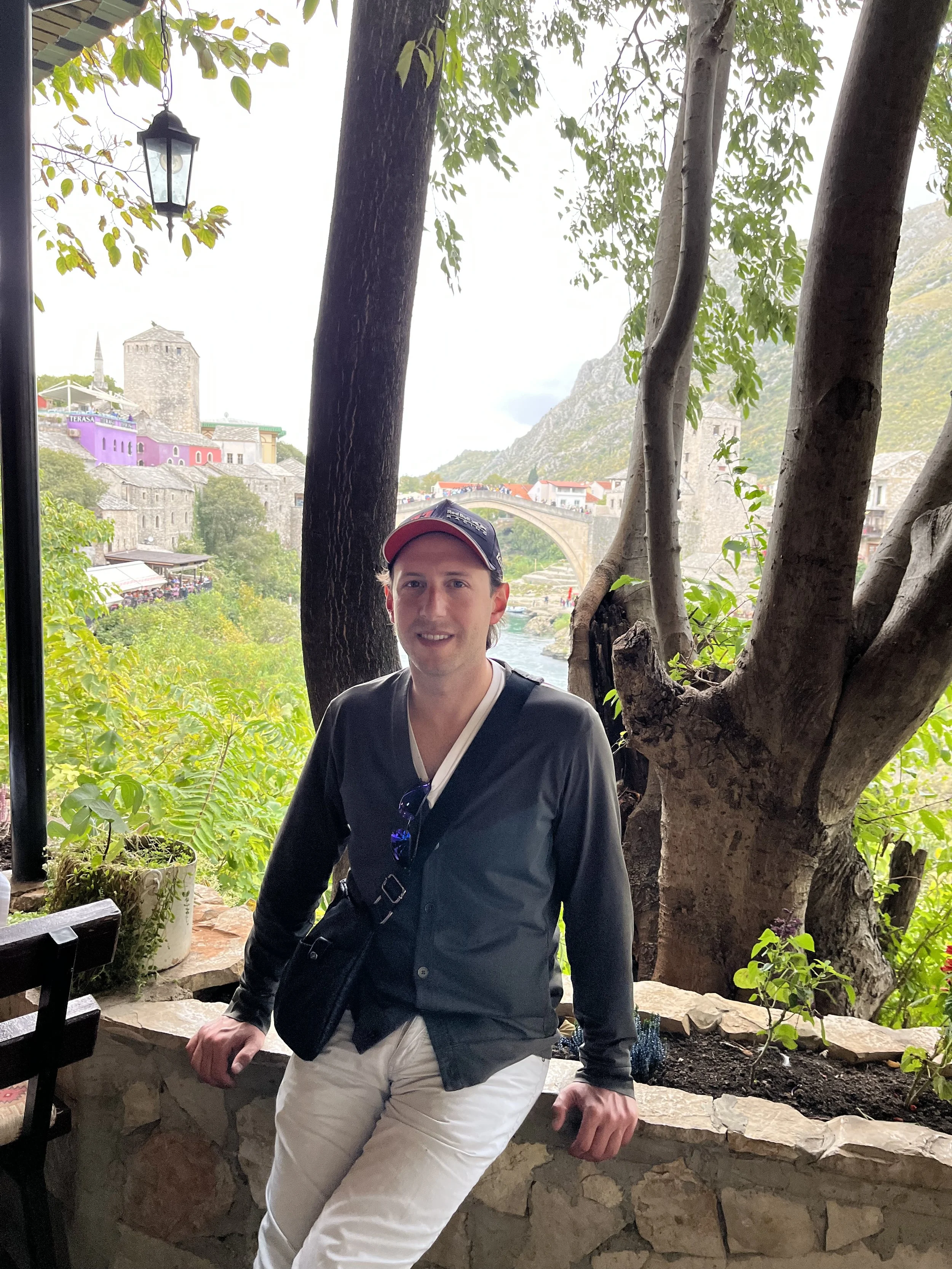
Mostar was our stop on the way to Croatia and we only planned to stay one-night in Bosnia & Herzegovina’s most renowned tourist destination. Unfortunately, inclement weather conditions led to the cancellation of our free walking tour. We were stuck inside a souvenir shop while waiting for the torrential downpour to subside. My mom was intrigued by the traditional Bosnian artifacts and tea sets in the shop. Despite the short visit, Mostar left a lasting impression.
Kravica Falls: Final Stop Before Croatia
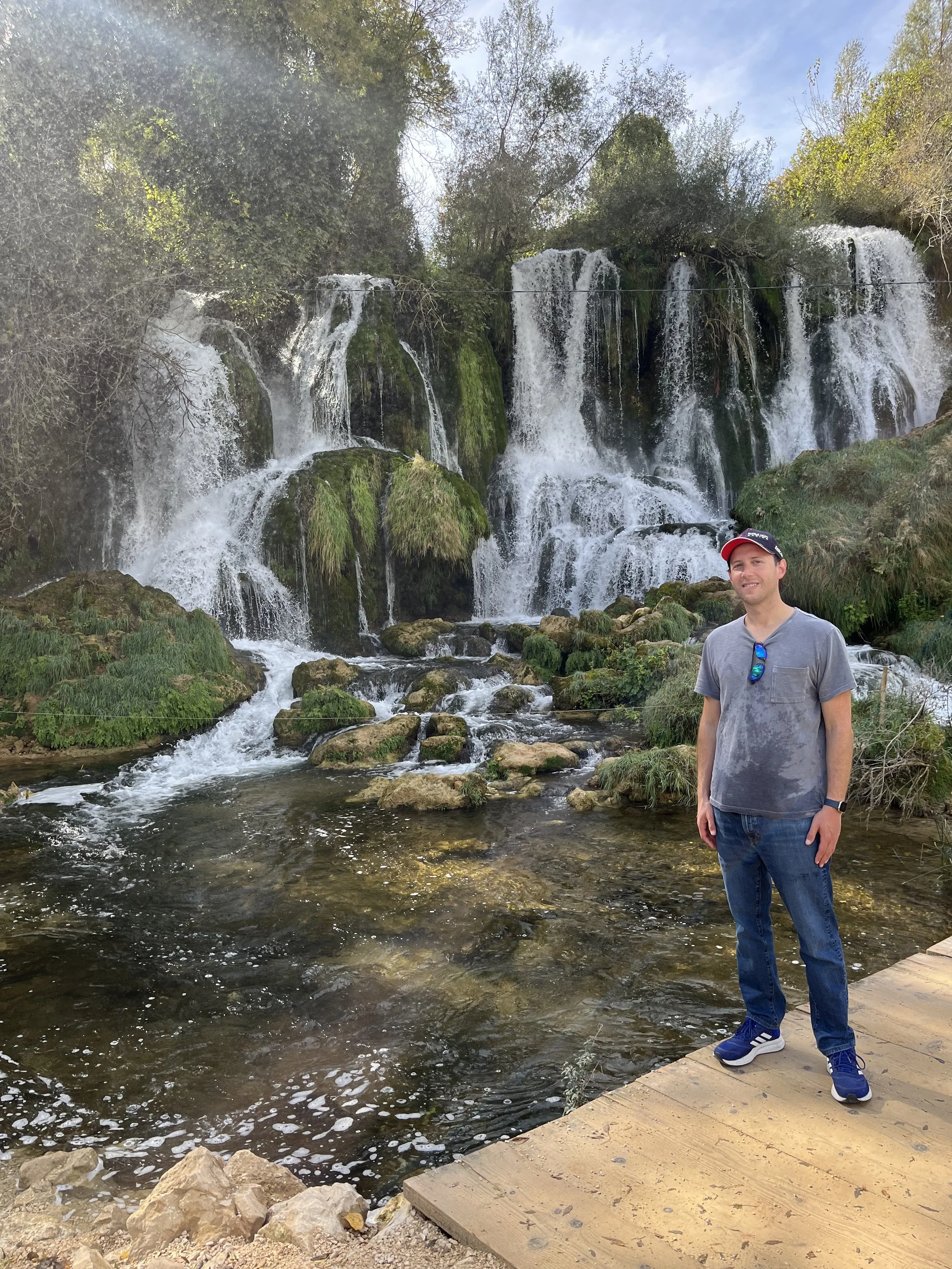
The following day we concluded our trip in Bosnia & Herzegovina with a stop at Kravica Falls. This was suggested by a friend of mine back home who has visited Bosnia a few times and we decided to include this as a stop on our way to Croatia. I went for a swim in the pond near the falls and dried off in the car afterwards. If you want my honest assessment of Kravica Falls, I’d say it was underwhelming. This is because I have seen Niagara Falls several times and Victoria Falls in Zambia & Zimbabwe, which is the largest waterfall in the world. Still, Kravica is family-friendly, peaceful, and excellent stop for autistic travellers who appreciate natural spaces without overwhelming crowds.
Final Thoughts: Bosnia & Herzegovina Has My Heart
Bosnia & Herzegovina is a country to which I want to return. On my next trip, I want to visit Srebrenica to learn more about the genocide that shaped the nation.
Sarajevo is the most unique old town in Europe and has novelty and character. Most old towns in Europe are the same and overcrowded with tourists in high season. Sarajevo has charm and beats out the rest of continental Europe.
Next, we’re off to Croatia and seeing what Dubrovnik and the Adriatic Sea have to offer.